

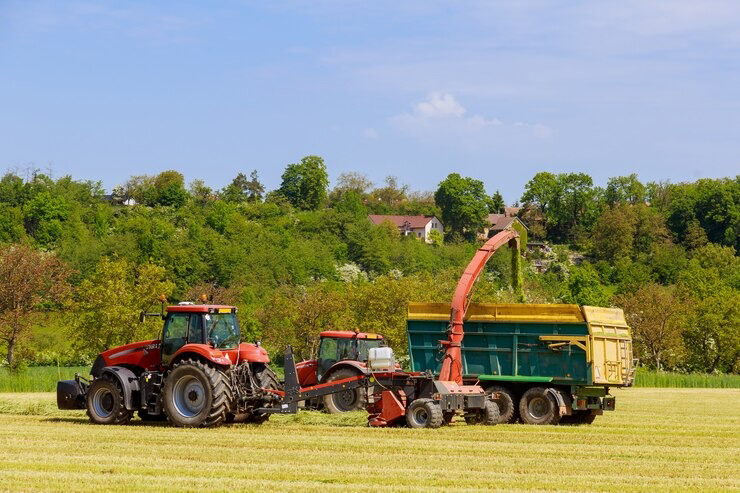
Factors like technological advancements and climate change are significantly changing the food security dynamics across many regions. While technology is enabling productivity in previously uncultivable areas, climate change is rendering some traditional food-surplus regions increasingly vulnerable. Rapidly changing geopolitical conditions across the globe are also exerting pressure on the international food supply chain.
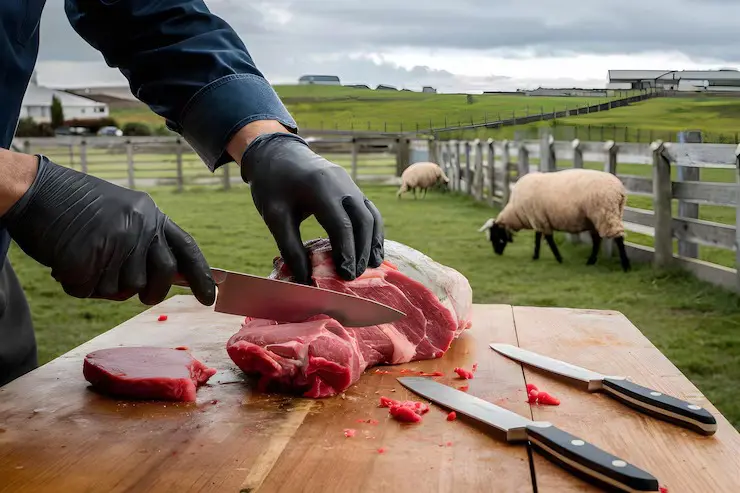
Innovation, both in methods and machines, has always been the catalyst bridging the gap between what is available and what is needed. Impact of technology on food production has never been so profound as it is now. Meat, the main source of protein in human diet and a critical component of global food supply chain, presents unique challenges in terms of production methods and cost.
The trick is to develop an intelligent fusion between technology and conventional thinking that takes into account all critical components associated with livestock farming.
This has particular significance for the Gulf region, which remains a net importer of meat due to limited domestic production and very high internal demand. However, high import costs combined with overall high per capita domestic consumption of meat continue to encourage investors and food producers to explore innovative solutions.
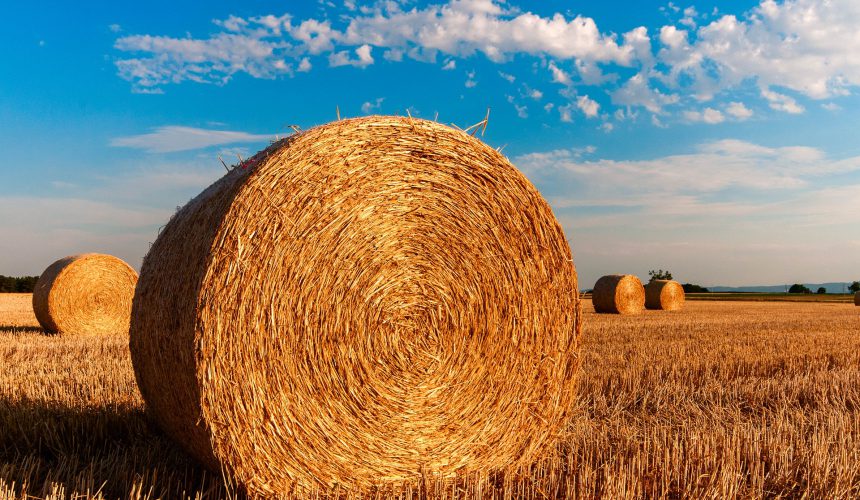
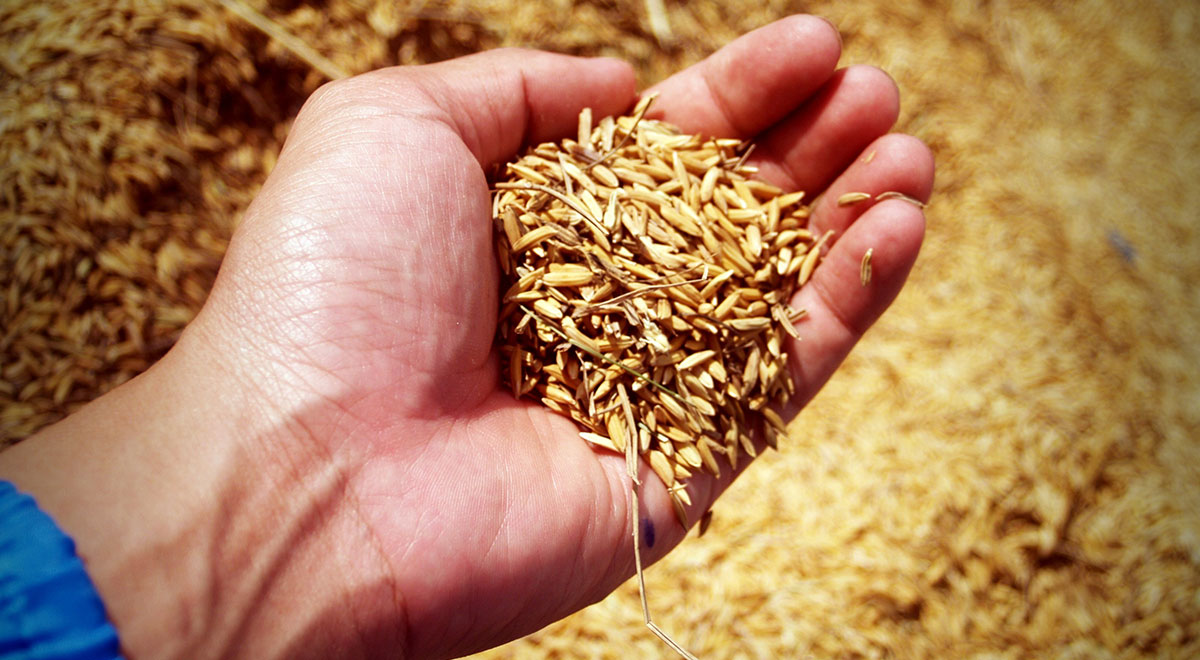
Limited ability to produce fodder domestically has traditionally been the main impediment. However, with introduction of hydroponic technology, rules of the game are changing fast. Climate stressed regions can now produce large quantities of nutritious forage at competitive cost. Additionally, unconventional protein sources such as Azolla, Wolffia and Lemna Minor, offer viable solutions for domestic production of livestock feed.
The success of the dairy industry in the Gulf in replacing substantial part of imported milk by developing indigenous industry is a testimony that food production cost can be sustained due to high costs associated with importing food. This same principle would apply to meat farming.
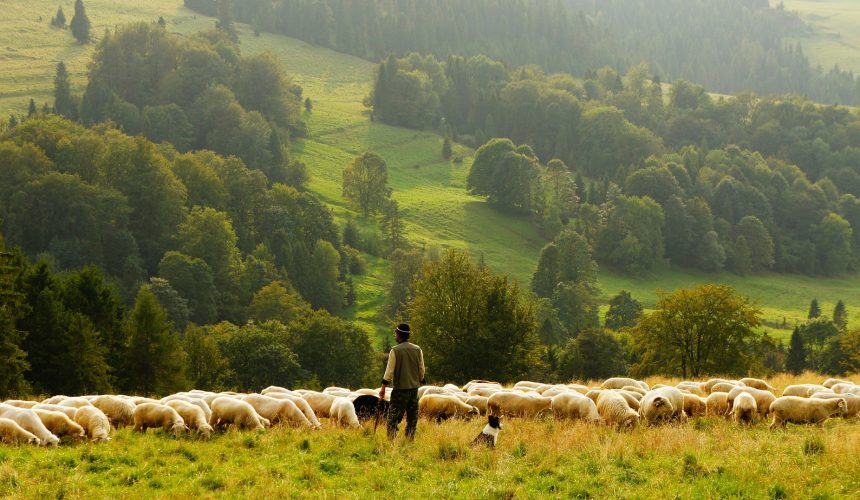
Sheep breeds like Nuaimi and Harri and goat breeds from warmer climates offer huge promise. Collectively, these initiatives will help build a dependable and self-sustaining local supply chain for meat, which in turn will play an important role in improving the overall food security for the region.