

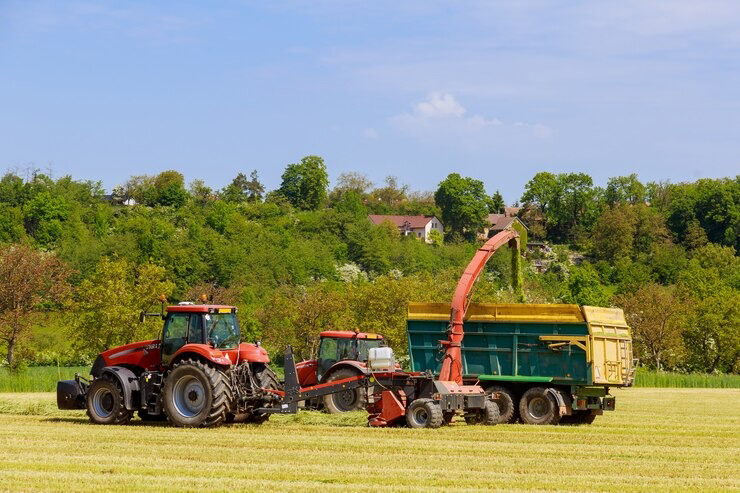
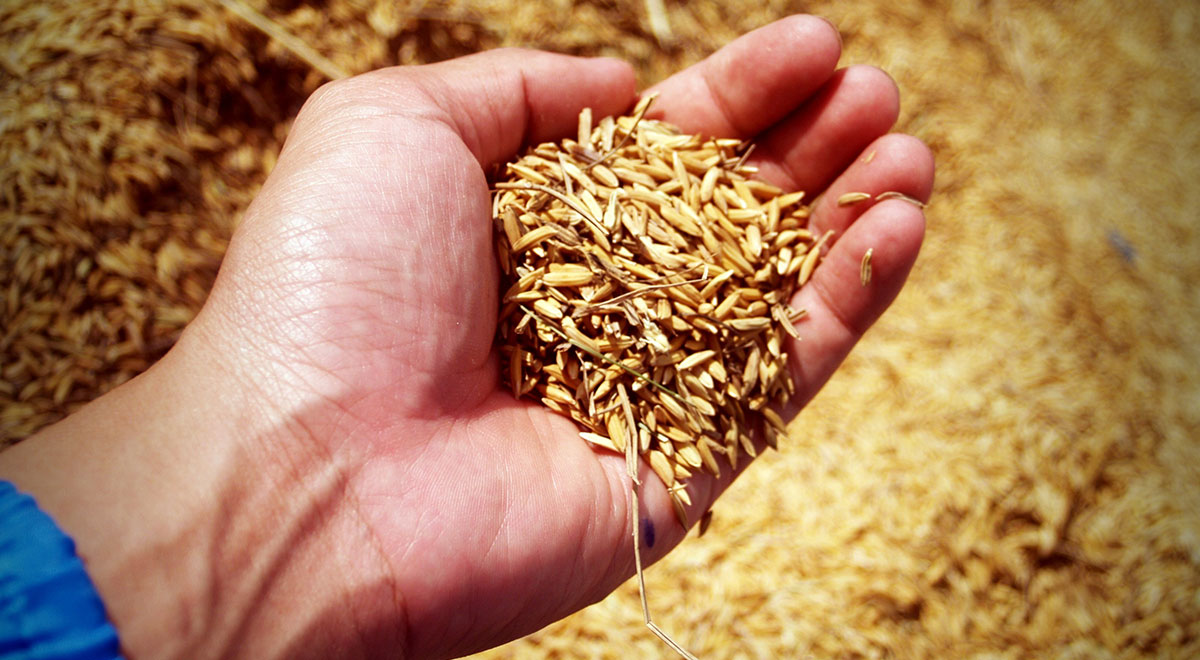
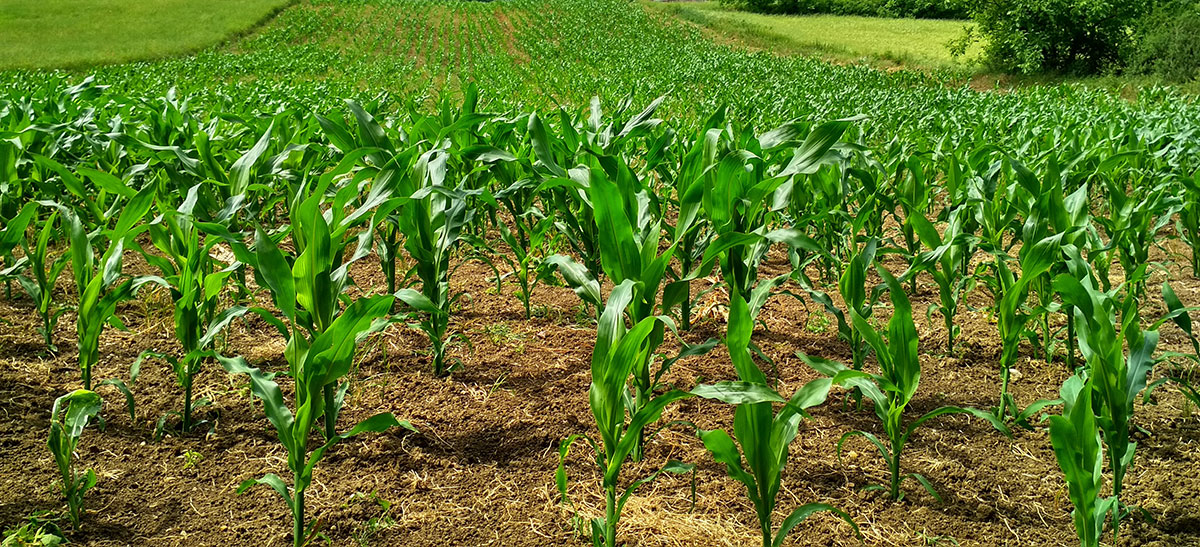
Broadly speaking, adaptation means adjusting farming practices to prepare for climate-related disruptions. Careful crop selection, amending farm management practices, adjusting the level of dependence as well as usage of infrastructure and machinery are all discussions that form part of the “adaptation” component of Climate Resilient Agriculture. Ability to effectively cope with the damage, once already caused by climate-change-related events, is referred to as “resilience”. Providing financial support to affectees, temporary or permanent migration, completely or partially adopting non-agricultural livelihood, are examples of “resilience” within the context of Climate-Resilient Agriculture. The importance of educating farmers and other stakeholders in the food supply chain in Pakistan about adaptation as well as resilience, cannot be overemphasized.
New, hardier crops, both drought-tolerant and those that can withstand excessive moisture, must be introduced. Farmers must be trained to grow more than one crop in each season.
Efforts must be made to remove inefficiencies in water distribution so that farmers can yield good returns, at least when things do not get disrupted due to erratic weather conditions. Similarly, quality of inputs such as seed, fertilizers, pesticides and so on must be ascertained to ensure that human greed and inefficiencies do not add to the miseries of farming community. Self-sufficiency in seed and fertilizers is an absolute must.
Creating platforms to effectively disseminate real-time weather conditions as well as forecasts and to enable farmers, particularly the small ones, to access this information in a timely manner is extremely important. Seminars and roadshows meant to educate farming community about climate change and how to cope with it, must be regularly organized all across the country, particularly in the rural areas. Work on increasing space for food storage by building grain silos must be initiated immediately. Concurrently efforts must be made to build reserves of staple food for at-least three years.
Improving coverage as well as distribution of agriculture insurance at grass root level, creating alternative marketing channels and developing storage facilities, would greatly increase the resilience of the farming community. Similarly, encouraging commercial activities in rural areas, particularly setting up downstream agro-processing facilities, would create nonagricultural sources of livelihood for the people most exposed to the brunt of climate change. This would also create much needed alternate marketing channels for agricultural produce.
Climate change is an irreversible phenomenon, at-least so it seems in the immediate term. Unless efforts are made in a timely manner to effectively cope with the challenges emanating from it, we, as a nation, may find ourselves in an extremely painful situation which may be impossible to deal with. If not handled intelligently the net impact of climate change may be far more painful than the ones caused by terrorism or economic slowdown experienced by the nation in the recent past.