



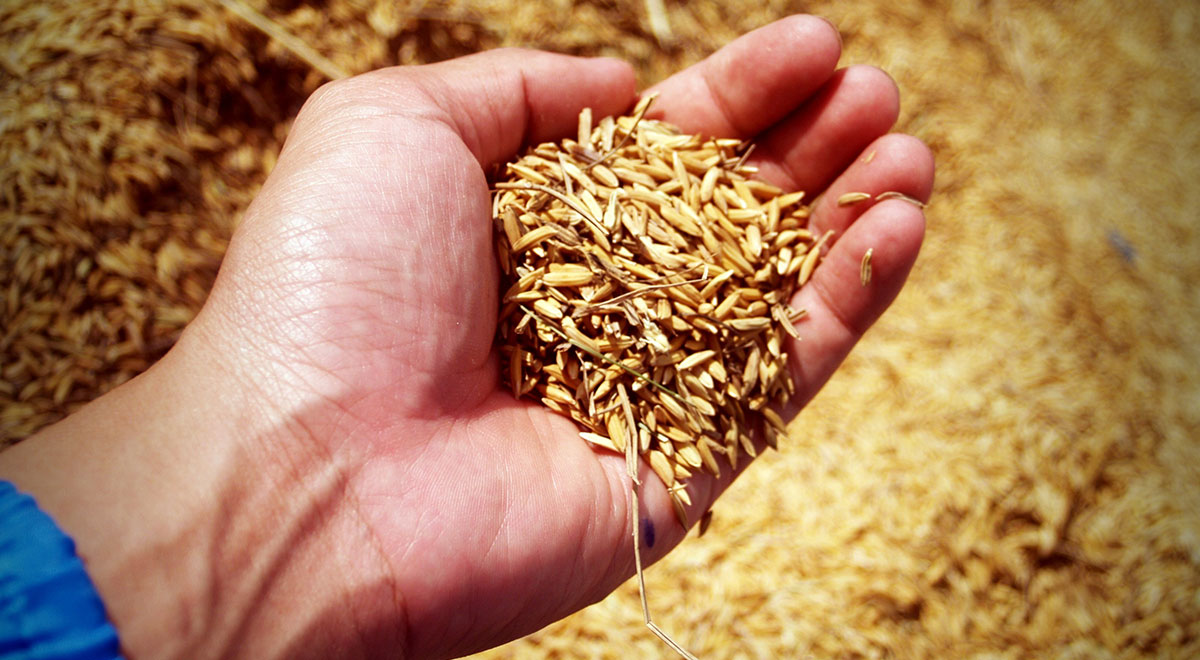

Quality of farm inputs like seeds, fertilizers, pesticides etc. have a huge impact on the final yields. Controlling counterfeits and ensuring timely availability of good quality inputs at reasonable prices will support farmers far more than offering them a subsidy on just one item. A farmer’s economics will not improve if a urea bag is provided to him at 25 per cent subsidised rate, when the seed he buys from the market is of poor quality and incapable of giving optimum yield or if the pesticides he buys are fake. The idea should be to improve the output through better yield and to remove market inefficiencies and exploitations, rather than trying to only focus on reducing production cost.
Water plays a pivotal role in agriculture. In Pakistan unfair and inefficient distribution of water is a bigger problem than its availability.
Water plays a pivotal role in agriculture. One cannot even start thinking about agriculture if there is no water. In Pakistan unfair and inefficient distribution of water is a bigger problem than its availability. Mismanagement and corruption in irrigation departments results in unpredictability about water availability. The farmer is perpetually guessing about the water situation at the time when he would be needing it to irrigate his crop. If the situation is better managed by the irrigation departments, there could be better predictability about water. This would help farmers plan their crops accordingly. If water is likely to be in short supply and the situation is effectively communicated to farmers in a timely manner, then farmers are likely to choose crops that are less water intensive. If water shortage is expected then it is better for farmers to abandon lucrative water-intensive crops and grow a more suitable, maybe less-paying, crop. This way they can at-least obtain a maximum yield of a less-paying crop which is better than growing a lucrative crop and ending up getting nothing due to non-availability of water.
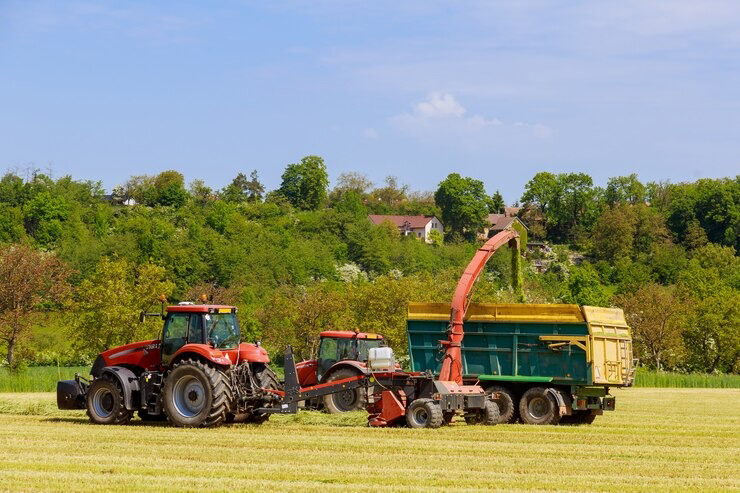
In today’s world mechanisation is key to efficient agriculture. Unfortunately, this is another area where Pakistan lags behind in a significant way. Small average landholding is the biggest hurdle in rapidly increasing the level of mechanisation in the country. Innovative ideas, where high-efficiency farm machines like harvesters and planters are made available to small farmers on rentals through common facilities, maybe established under Public Private Partnership mode, could kick in the required efficiency into the farming sector.
Last but not the least, farmers need capacity building. Agriculture extension services are almost non-existent in the country which results in farmers either learning through costly trial and error method or relying solely on the advice of commercial input suppliers. Farmers need to be trained on modern crop management concepts as well as on postharvest handling of produce to not only improve yield but also to save the produce from postharvest losses. Their marketing and selling skills need to be sharpened so that they can fetch better returns for their produce. It is critical that all of the above listed interventions are made concurrently if agriculture productivity is to be increased on a self-sustaining basis. Leaving out even one intervention will compromise the effectiveness of all other interventions.