

Historically, Pakistan has been a water-rich country. Even now mismanagement, and not non-availability of water, is the main problem. Luckily, the country has been receiving abundant rains and snowfall during the last two years which helped it to overcome the precarious water situation that existed couple of years back. Limited water storage capacity is a problem that cannot be resolved in the immediate term. It will take many years and huge financial disbursements for the country to build new reservoirs. However, effective and efficient management of country’s existing irrigation system can be achieved almost immediately and without further burdening country’s already weak financial position.
Unless climate-smart agriculture practices are introduced on war footings, Pakistan may soon experience food deficiency, something the nation is not used to be worrying about.
Just ensuring regular and proper de-silting of canals would drastically improve water distribution. Similarly, timely and effective maintenance of canal banks would restrict seepage of water and also contain incidents of canal breaches during high floods. Lastly, restoring the largely dysfunctional SCARP tubewells and shifting them on to solar power could also bring about significant improvement in the water situation. These and similar measures, if carried out in timely manner, would keep the food situation from getting worse due to water shortages.
Traditionally, the size of Pakistan’s agriculture managed to work as an effective shock absorber in the face of unfavourable circumstances. This however, may not work in future as newer and bigger challenges in the form of climate change, water shortages and deteriorating soils may cause damage which size alone may not be able to compensate for. Unless climate-smart agriculture practices are introduced on war footings, Pakistan may soon experience food deficiency, something the nation is not used to be worrying about.
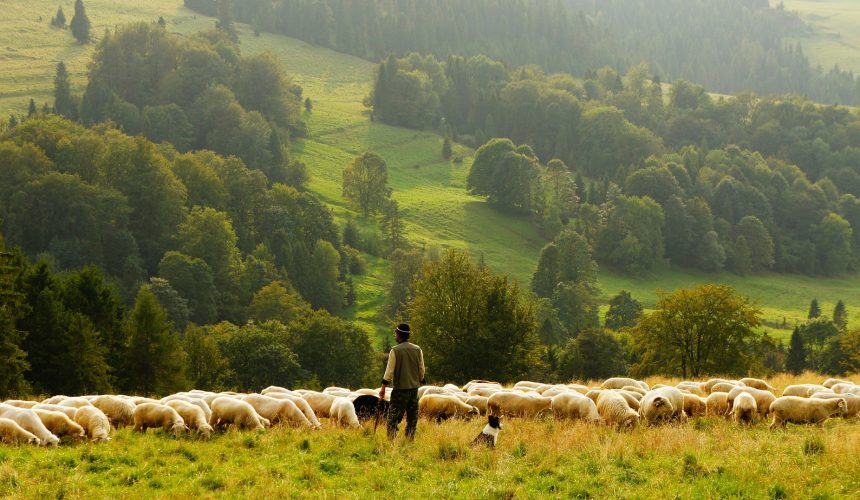
Reliability of data with respect to agricultural production is also a major source of concern. Livestock is an example where official data is feared to be misleading. Failure to regularly carry out a real-time livestock census simultaneously across the country and limitations in keeping track of cattle movements through an electronic-tagging mechanism seriously limits the reliability of available data. Also, market conditions with particular reference to continuously rising milk and meat prices contradict the official claim about the huge livestock population in the country. Reports of unchecked smuggling of livestock through the country’s western borders and indiscriminate slaughtering of young calves that took place unhindered over decades, also gives rise to scepticism about a large livestock population in the country. Similarly, crop-reporting departments generally lack scientific methodologies for accumulating and disseminating data which results in weak reliance on the numbers presented by the government. All this adds to the worry as the real food availability could actually be less than reported in the official data. In such a situation, the impact of any unexpected disruption in food supply could be far more severe than anticipated.