


Planners who designed the irrigation system in British India had planted trees with long life spans on the banks of all big canals. The idea was to strengthen the banks and at the same time control water loss through seepage. Even today there are stretches where one can see magnificent Sheesham and Neem trees standing elegantly over the canals and efficiently protecting their banks. Indiscriminate cutting of trees has weakened these banks and has made them vulnerable to breaches especially during high floods.
Government must work on war footings to develop a national program to deal with the effects of climate change on agriculture. If the climate changes, so should our crops.
While there is very little that can be done (at least immediately) to reverse the situation in katcha, a lot can be done to ensure proper maintenance of irrigation network so that it can better handle. De-silting is usually done in January to March when water requirement in the agriculture sector is generally low. An audit should immediately be conducted to figure out the extent of de-silting actually done and to identify weak spots. Since there is time before peak sowing season starts for khareef crops, de-silting can be carried out at critical points.
A comprehensive inspection programme should be launched to assess the readiness of irrigation infrastructure to handle high floods which may occur, if at all, sometime between August and October. During last floods many gates of Sukkur Barrage could not be opened as they had not been maintained in decades.
Also, it should be agreed upon that in case there is a risk of canal breach that could result in drowning of settlements, the unauthorised bunds built to protect illegally encroached land in katcha will be broken. Way has to be given to water to enter the spillover katcha area and reduce pressure from canals.
The second big risk that got highlighted by the recent unusually heavy rains and snowfall is the impact of climate change. Erratic climate behavior is more dangerous for agriculture than for anything else. This directly affects our ability to produce enough food for local consumption. Agriculture productivity is also directly linked to our economic well being as most of our exports depend upon agriculture.
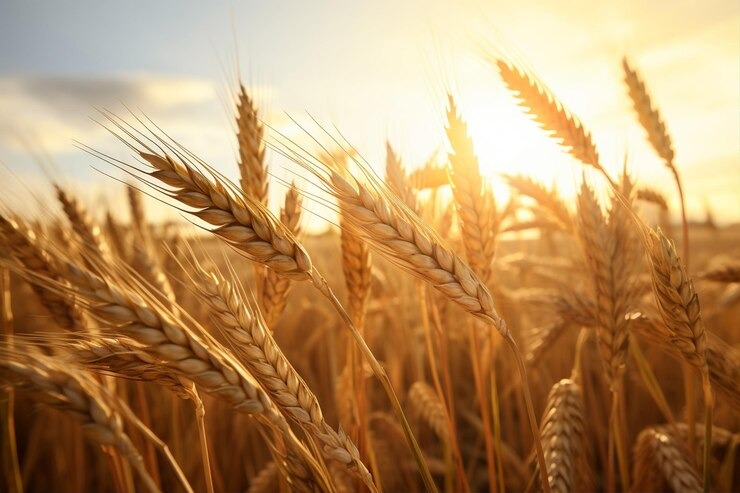
This year rains continued till March which means significant damage to wheat crop, particularly in southern and central parts of Sindh. Heavy showers in February and March may have damaged mango crop too as flowering in Sindh initiates around this time. Prolonged winters that were experienced due to continuous rains can affect date crop as the date palm performs better in hot and dry climate.
Government must work on war footings to develop a national program to deal with the effects of climate change on agriculture. There may be a need to accommodate newer crops and phase out crops we have been growing for centuries. After all, it is the climate that mostly dictates what we grow and what we do not grow. If the climate changes, so should our crops.
If planning is done now the process may be less painful. However, if it is left till farmers get hit due to reduced productivity and crop failures because of untimely rains and other erratic weather patterns then the cost will be much higher. Some of the damage may even become irreversible.
Published in Dawn, The Business and Finance Weekly, April 15th, 2019

