





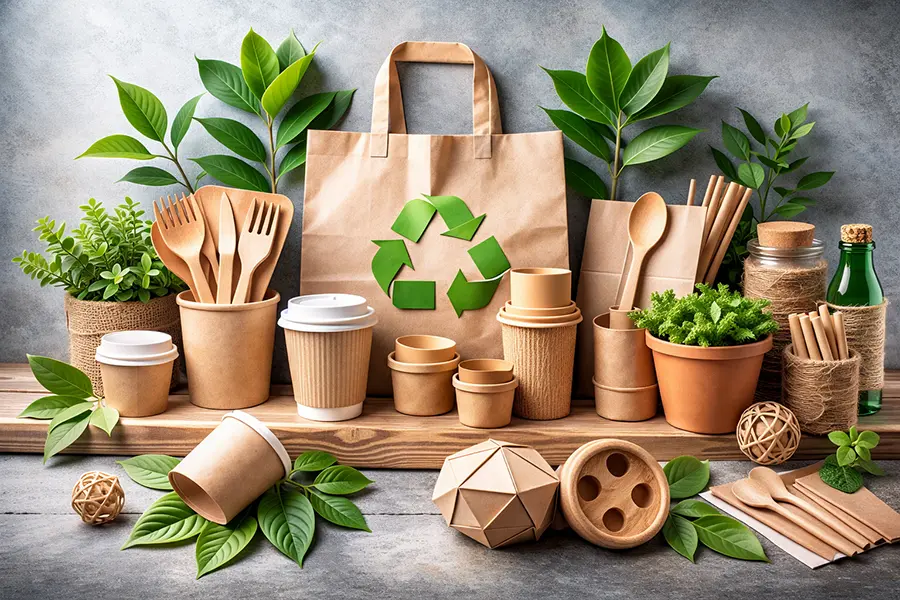
The biggest challenge in developing a successful organic recycling framework at the national level is to ensure there is sufficient demand for the products offered by businesses engaged in recycling activities. Businesses producing environmentally friendly products have to compete with traditional synthetic and more developed alternatives, which are generally, if not always, much cheaper to produce.
This is where businesses operating in the sustainability space require government support to ensure a level playing field for those working with the environment rather than against it. The UAE is one country that has developed an exemplary model that creates a natural circular economy through intelligent policy interventions.
International regulatory frameworks governing the environmental impact of business activities are becoming progressively stricter. For some companies, this rapidly evolving landscape is eroding conventional and historically proven opportunities. Yet, for others, particularly those capable of rethinking traditional business models, it is unlocking entirely new avenues of growth.
This dynamic is especially relevant in the UAE. A strong national sustainability push, aimed not only at expanding green cover but also at leading regional and global efforts to reduce greenhouse gas emissions, is actively reshaping the country’s economic ecosystem. Combined with the GCC’s broader effort to diversify away from oil-dependent revenues, the region has become an ideal environment for building innovative, sustainability-driven enterprises.
One of the largest operational challenges in recycling businesses globally is the cost and complexity of waste collection and transportation. The UAE has effectively addressed this through the development of one of the world’s most efficient waste management systems. Originally designed to support clean, well-managed urban and tourist destinations, this system now forms the backbone of the country’s circular economy by ensuring a steady supply of raw material to recycling industries.
The government’s sustainability ambitions are both clear and measurable:
- Abu Dhabi: 80% waste diversion from landfill by 2030
- Dubai: 100% landfill diversion by 2041
- Dubai: 75% of power generation from clean sources by 2050
- National Target: 50% reduction in water demand across buildings and agriculture by 2050
- Dubai: Doubling green cover by 2040
These targets are not merely environmental commitments, they are market signals. Bold policy interventions are deliberately and intelligently shaping demand within the sustainability space, creating a self-reinforcing circular economy. By banning single-use plastics, encouraging heavy industries such as cement to shift toward alternative fuels, requiring developers to increase green spaces, and enforcing water conservation targets, the government is not only regulating behaviour, it is also creating commercial markets.
For example:
- The ban on single-use plastics generates demand for biodegradable and compostable alternatives.
- Organic waste can be converted into biomass or wood pellets, which serve as alternative fuels for energy-intensive industries such as cement manufacturing.
- Expanding green cover increases demand for compost and soil amendments.
- Water conservation initiatives strengthen the case for organic soil enhancers such as compost and biochar, which improve water retention.
This ecosystem creates a virtuous cycle. Increased green cover leads to more organic waste generation, which in turn supplies recycling industries with feedstock. More recycling reduces landfill dependence and supports climate targets. Policy, infrastructure, and commercial activity reinforce each other.
Critically, businesses are not left alone to compete against cheaper, environmentally harmful synthetic alternatives. Policy support reduces demand uncertainty and helps level the playing field. This alignment of regulation and market creation transforms sustainability from a compliance burden into a commercial opportunity, delivering a win-win outcome for government, business, and the environment.
An additional layer of opportunity lies in carbon markets. Enterprises producing organic substitutes or engaging in carbon removal activities may qualify for carbon credits. When structured properly, carbon credit revenues can significantly enhance project viability and improve return on investment.
In summary, the UAE is not merely tightening environmental regulations, it is engineering a sustainability ecosystem. Through deliberate policy design, infrastructure development, and ambitious national targets, the country is creating commercially viable pathways that align private enterprise with public environmental objectives. For forward-thinking businesses, this represents not constraint, but opportunity.